


PoC · Rights & protection
Overview and background
Background
The Security Council first established the protection of civilians (PoC) as an explicit mandate of a peacekeeping operation in 1999. Since then, the protection of civilians has steadily gained in importance and is now the priority mandate of many peace operations. In 2018, nine UN peace operations were mandated to protect civilians. PoC has also become the key yardstick by which a mission's success is measured, while being one of the most difficult mandates to implement.
PoC is a whole-of-mission effort. The three components of peace operations (military, police and civilian) all contribute to implementing the PoC mandate. The training needs of peace operation personnel are therefore great, and high-quality training is essential given the stakes and challenges of PoC.
As an African Union Centre of Excellence, the Alioune Blondin Beye Peacekeeping School offers a specialised, integrated course to meet the growing demand for PoC training.
Aim
The aim of this course is to provide comprehensive training on the protection of civilians for uniformed and civilian personnel of United Nations peacekeeping operations. The course highlights the complex relationships between protection tasks and clarifies the role and responsibilities of each actor within peace missions. It stresses the importance of collaboration between external actors and those of the Mission. The course provides conceptual and practical guidance on how to prevent and respond to protection threats at operational and tactical levels.
Course objectives
By the end of the course, participants will be able to:
· explain the DPKO concept of Protection of Civilians, as well as protection principles and structures.
· recognise the essential role and value of PoC in a UN peace operation at tactical and operational levels.
· describe the PoC environment in the context of UN peace operations, including key partners.
· explain the role and responsibilities of each component of a peacekeeping mission in implementing protection mandates, including the core tasks of a PoC officer in terms of coordination, information sharing, liaison and advice.
· Plan and implement core PoC tasks in coordination with other relevant actors, including risk analysis, developing strategies and action plans, effectively implementing protection activities and reporting.
Target groups
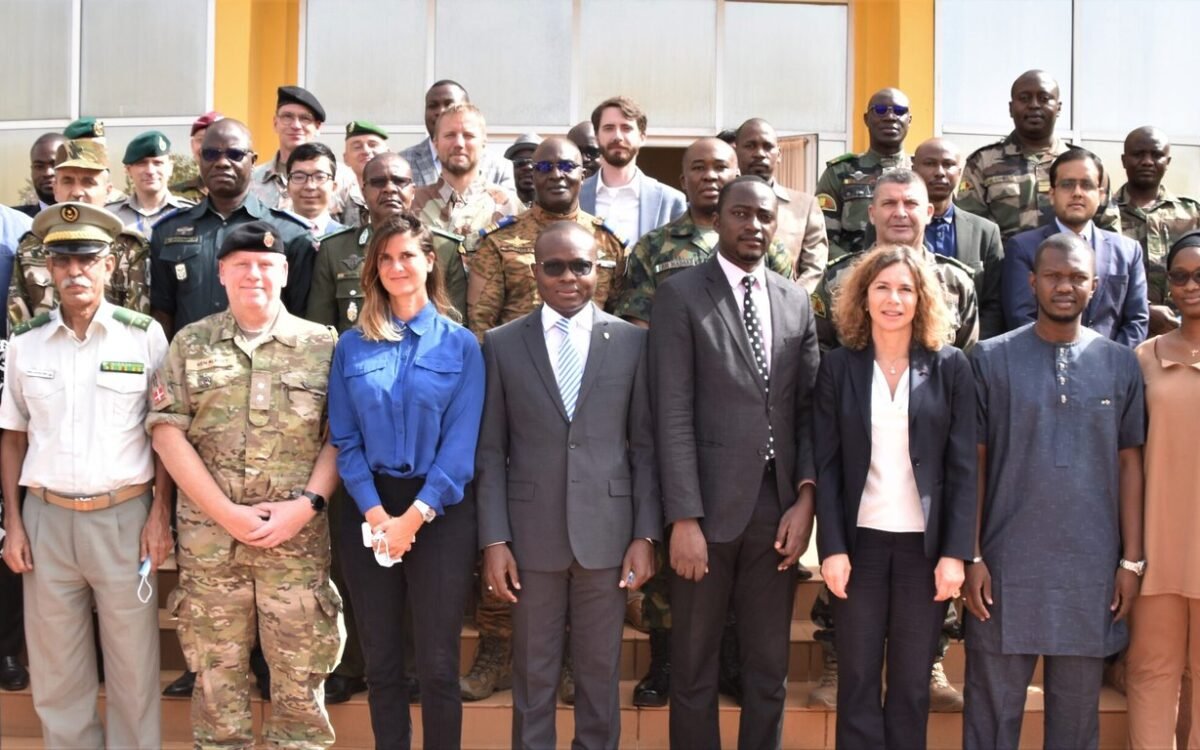
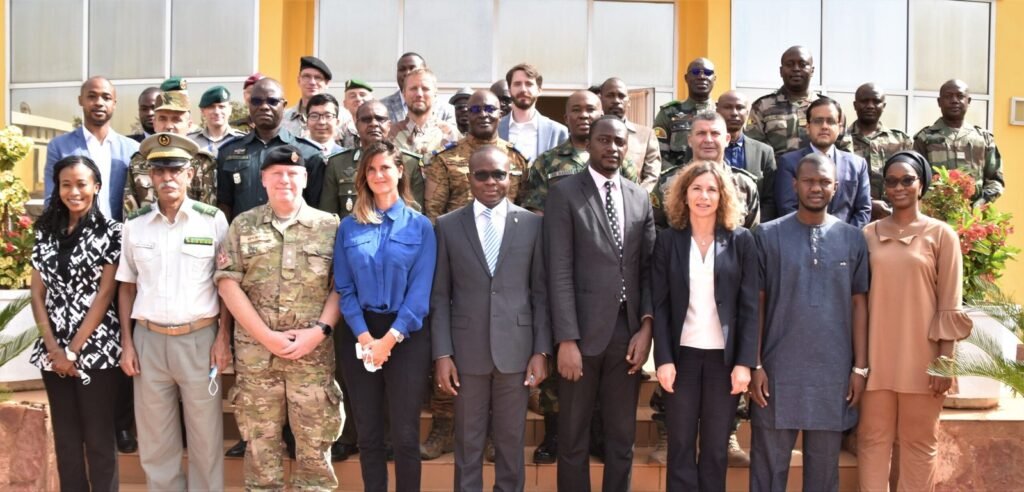
The EMPABB PoC course is intended mainly for personnel of UN peace missions or those who may be deployed to them. It is also open to personnel of African Union peace support operations. Humanitarian and development partners involved in protection activities linked to the Mission may also benefit from this training.
Each PoC course is integrated and aims for equal participation of civilian and uniformed personnel (police/gendarmerie and military). The course welcomes 25 participants.
Priority is given to personnel already deployed who have not yet received comprehensive, specialised PoC training, in particular:
● Civilian personnel (bachelor's degree or higher)
● Military Observers
● Military Experts on Mission (MEOMs)
● Military unit commanders
● Formed Police Unit (FPU) commanders
● Individual police officers
● Military staff officers
For uniformed personnel, the minimum rank sought is captain.
Women's participation is encouraged, whether through individual civilian applications or nominations of uniformed personnel.
Content: modules, topics and activities
Contextualising the protection of civilians in peace operations
Role and responsibilities of each component in the PoC mandate
Implementing PoC
Protection challenges
Scenario: Carana
Films: Mandated to Protect; Shake Hands with the Devil
Administration – logistics – organisation
● Duration: 2 weeks
● Course fees / travel / accommodation / meals: fully covered – accommodation at the EMP-ABB.
● Team: 1 Course Director, 2 temporary instructors, external speakers (MINUSMA PoC/Force/Civil Affairs, UNHCR/Protection Cluster, OCHA, specialists – former unit commanders, senior Mission officials) and experts.
Eligibility requirements
To take part in this PoC course, you must:
● Have completed at least one training course covering the essentials of the CPTM. Selected applicants who have not yet completed the CPTM will be referred to the online course.
- ● Be able to communicate in French;
- ● Be medically fit to take part in the entire course;
● Be currently recruited/deployed, or likely to be, to serve in a peace operation or for an organisation working directly on PoC in liaison with a peace mission.
Course structure
How to register
Applications are made online, using this activity's form, between the opening date and the deadline (11:59 pm, Bamako time). An acknowledgement of receipt is sent by email.
Required documents
- the online application form, fully completed;
- a curriculum vitae (PDF or Word);
- the number of the Moodle certificate “Introduction to the Core Knowledge of Peace Operations”, when the form asks for it.
Registration closed.