
Boulevard Mohamed VI, Bamako, Mali
EMPABB
EMPABB

Discover our certified training

  • Home
  • Discover our certified training

Section 1

Course catalogue

Three families of courses: military, police and integrated (military, police and civilian). Each card opens the course page; the “Apply” button appears when registration is open.

42 activities

Upcoming

Course Applications closed

RSS 2 · Justice & governance

  • Session 8 November – 20 November 2026
  • Integrated (military, police and civilian)
  • 2 weeks
  • French

This course is reserved for former participants of the RSS (Level 1) course who are actively engaged in this field.
Course Applications closed

DHGPLTEV · Rights & protection

  • Session 9 November – 20 November 2026
  • Integrated (military, police and civilian)
  • 2 weeks

Description: To keep offering high-quality courses, the latest standards used by the United…
Course Applications closed

JT · Justice & governance

  • Session 9 November – 20 November 2026
  • Integrated (military, police and civilian)
  • 2 weeks

The course lasts one week. It is taught in French and is open to military, civilian and police personnel of both sexes.
Course Upcoming

PC-BAT · Peace operations

  • Session 9 November – 20 November 2026
  • Military
  • 2 weeks

This course is reserved for armed forces and security forces only. It is open to both men and…

Course Upcoming

UNSOC · Peace operations

  • Session 23 November – 10 December 2026
  • Military
  • 3 weeks
Course Applications closed

LCFT · Justice & governance

  • Session 23 November – 4 December 2026
  • Integrated (military, police and civilian)
  • 2 weeks
Course Registration open

UNLOG · Logistics & support

  • Session 7 December – 18 December 2026
  • Applications from 26 October 2026 to 13 November 2026
  • Integrated (military, police and civilian)
  • 2 weeks
  • French

The course is open to both men and women. It starts on Monday at 7:30 am with a welcome address by the Director,…

Course Upcoming

PC-BAT · Peace operations

  • Session 7 December – 18 December 2026
  • Military
  • 2 weeks

This course is reserved for armed forces and security forces only. It is open to both men and…
Course Registration open

MPS · Inclusion & security

  • Session 14 December – 18 December 2026
  • Applications from 26 October 2026 to 13 November 2026
  • Integrated (military, police and civilian)
  • 2 weeks

Ongoing

Course Ongoing

UNCIMIC · Peace operations

  • Session 26 October – 6 November 2026
  • Integrated (military, police and civilian)
  • 2 weeks

The course is taught in French and English, funded by the EMP and open to both…
Course Ongoing

GPS · Inclusion & security

  • Session 26 October – 6 November 2026
  • Integrated (military, police and civilian)
  • 2 weeks

The course is open to both men and women; course costs are covered by the partner. The course…
Course Ongoing

PoC · Rights & protection

  • Session 26 October – 6 November 2026
  • Integrated (military, police and civilian)
  • 2 weeks

Background: The Security Council first established the protection of civilians (PoC) as an explicit mandate of an operation…

Past
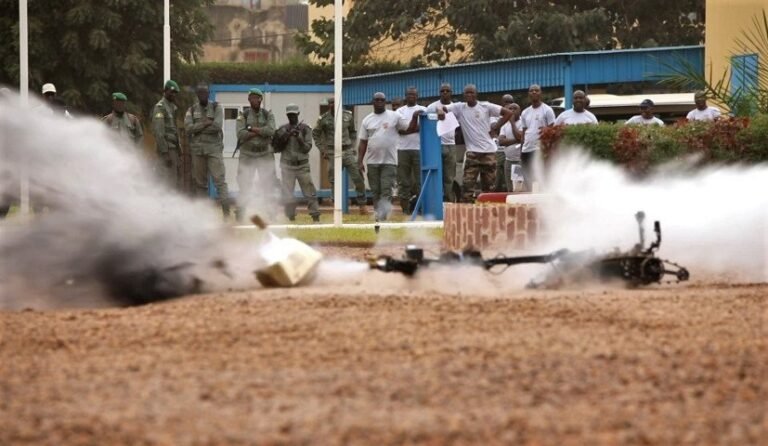
Course Completed

SDM · Peace operations

  • Session 12 October – 23 October 2026
  • Integrated (military, police and civilian)
  • 1 week
Course Completed

SDM · Peace operations

  • Session 12 October – 23 October 2026
  • Integrated (military, police and civilian)
  • 1 week
Course Completed

DPE · Rights & protection

  • Session 12 October – 23 October 2026
  • Integrated (military, police and civilian)
  • 2 weeks

The course lasts one week. It is taught in French and English and is open to military, civilian and police personnel of both…
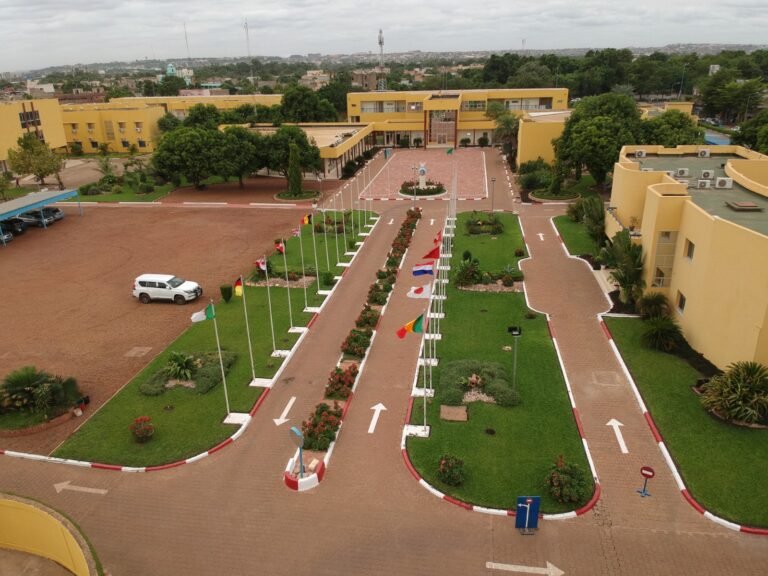
Course Completed

GRC · Risks & resilience

  • Session 12 October – 23 October 2026
  • Integrated (military, police and civilian)
  • 2 weeks

The course is open to men and women, civilian, military or paramilitary. It aims to familiarise participants with the concepts…
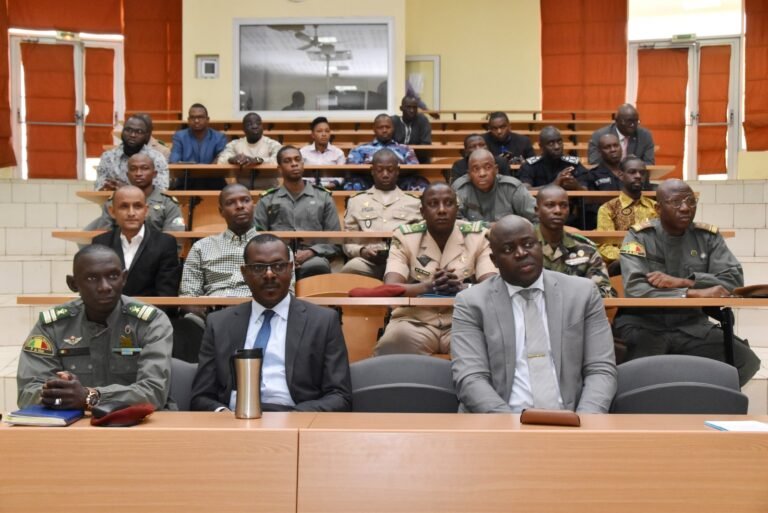
Course Completed

RSS 1 · Justice & governance

  • Session 12 October – 23 October 2026
  • Integrated (military, police and civilian)
  • 2 weeks

The course lasts one week. It is taught in French and English and is open to military, civilian and police personnel of both…

Course Completed Demonstration

GST · Rights & protection

  • Session 17 August – 28 August 2026
  • Integrated (military, police and civilian)
  • 2 weeks
  • French

2-week course for military, police and civilian personnel serving in peace operations.

Course Completed Demonstration

UN-COE · Logistics & support

  • Session 24 August – 28 August 2026
  • Integrated (military, police and civilian)
  • 1 week
  • French

1-week course for military, police and civilian personnel serving in peace operations.
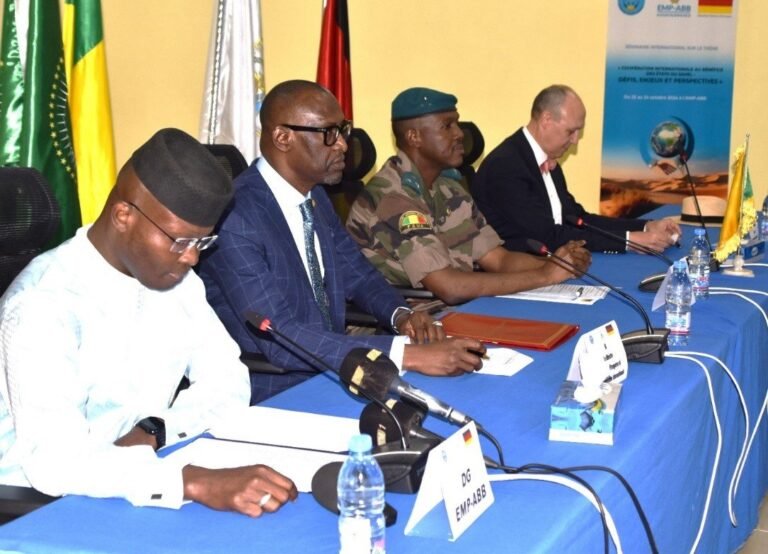
Course Completed Demonstration

APS · Rights & protection

  • Session 10 August – 21 August 2026
  • Integrated (military, police and civilian)
  • 2 weeks
  • French

2-week course for military, police and civilian personnel serving in peace operations.

Course Completed Demonstration

PLTG · Justice & governance

  • Session 27 July – 7 August 2026
  • Integrated (military, police and civilian)
  • 2 weeks
  • French

2-week course for military, police and civilian personnel serving in peace operations.

Course Completed Demonstration

PGCC · Justice & governance

  • Session 20 July – 31 July 2026
  • Integrated (military, police and civilian)
  • 2 weeks
  • French

2-week course for military, police and civilian personnel serving in peace operations.

Course Completed Demonstration

PP-VBG · Inclusion & security

  • Session 6 July – 17 July 2026
  • Integrated (military, police and civilian)
  • 2 weeks
  • French

2-week course for military, police and civilian personnel serving in peace operations.

Course Completed Demonstration

PBSG · Inclusion & security

  • Session 29 June – 10 July 2026
  • Integrated (military, police and civilian)
  • 2 weeks
  • French

2-week course for military, police and civilian personnel serving in peace operations.

Course Completed

MPC · Justice & governance

  • Session 22 June – 3 July 2026
  • Integrated (military, police and civilian)
  • 2 weeks

Level of education 1. Hold a Master's degree or equivalent, or 5 years of experience in conflict resolution. 2. Experience a)…

Course Completed Demonstration

GPMR · Logistics & support

  • Session 15 June – 26 June 2026
  • Integrated (military, police and civilian)
  • 2 weeks
  • French

2-week course for military, police and civilian personnel serving in peace operations.

Course Completed Demonstration

FHLCT · Justice & governance

  • Session 8 June – 19 June 2026
  • Integrated (military, police and civilian)
  • 2 weeks
  • French

2-week course for military, police and civilian personnel serving in peace operations.

Course Completed Demonstration

SEC · Peace operations

  • Session 1 June – 12 June 2026
  • Integrated (military, police and civilian)
  • 2 weeks
  • French

2-week course for military, police and civilian personnel serving in peace operations.

Course Completed Demonstration

GPSC · Justice & governance

  • Session 18 May – 29 May 2026
  • Integrated (military, police and civilian)
  • 2 weeks
  • French

2-week course for military, police and civilian personnel serving in peace operations.

Course Completed Demonstration

APE · Justice & governance

  • Session 11 May – 22 May 2026
  • Integrated (military, police and civilian)
  • 2 weeks
  • French

2-week course for military, police and civilian personnel serving in peace operations.

Course Completed Demonstration

DIH · Rights & protection

  • Session 27 April – 8 May 2026
  • Integrated (military, police and civilian)
  • 2 weeks
  • French

2-week course for military, police and civilian personnel serving in peace operations.

Course Completed Demonstration

DH · Rights & protection

  • Session 20 April – 1 May 2026
  • Integrated (military, police and civilian)
  • 2 weeks
  • French

2-week course for military, police and civilian personnel serving in peace operations.

Course Completed Demonstration

DDR · Peace operations

  • Session 6 April – 17 April 2026
  • Integrated (military, police and civilian)
  • 2 weeks
  • French

2-week course for military, police and civilian personnel serving in peace operations.

Course Completed Demonstration

ConsPaix · Justice & governance

  • Session 30 March – 10 April 2026
  • Integrated (military, police and civilian)
  • 2 weeks
  • French

2-week course for military, police and civilian personnel serving in peace operations.

Course Completed Demonstration

ConFond · Peace operations

  • Session 23 March – 3 April 2026
  • Integrated (military, police and civilian)
  • 2 weeks
  • French

2-week course for military, police and civilian personnel serving in peace operations.

Course Completed Demonstration

ToT · Peace operations

  • Session 9 March – 20 March 2026
  • Integrated (military, police and civilian)
  • 2 weeks
  • French

2-week course for military, police and civilian personnel serving in peace operations.

Course Completed Demonstration

FPU · Peace operations

  • Session 9 February – 13 March 2026
  • Police
  • 5 weeks
  • French

5-week course for police and gendarmerie personnel serving in peace operations.

Course Completed Demonstration

Pre-SAAT · Peace operations

  • Session 2 March – 13 March 2026
  • Police
  • 2 weeks
  • French

2-week course for police and gendarmerie personnel serving in peace operations.

Course Completed Demonstration

Cdt-FPU · Peace operations

  • Session 16 February – 27 February 2026
  • Police
  • 2 weeks
  • French

2-week course for police and gendarmerie personnel serving in peace operations.

Course Completed Demonstration

MILOBS · Peace operations

  • Session 12 January – 6 February 2026
  • Military
  • 4 weeks
  • French

4-week course for officers and non-commissioned officers of the armed forces serving in peace operations.

Course Completed Demonstration

UNPOL · Peace operations

  • Session 26 January – 6 February 2026
  • Police
  • 2 weeks
  • French

2-week course for police and gendarmerie personnel serving in peace operations.

Course Completed Demonstration

PC-Brig · Peace operations

  • Session 19 January – 30 January 2026
  • Military
  • 2 weeks
  • French

2-week course for officers and non-commissioned officers of the armed forces serving in peace operations.

Upcoming

November 2026

  1. 8 November – 20 November 2026 RSS 2 · Course · Integrated (military, police and civilian) · Justice & governance Applications closed
  2. 9 November – 20 November 2026 DHGPLTEV · Course · Integrated (military, police and civilian) · Rights & protection Applications closed
  3. 9 November – 20 November 2026 JT · Course · Integrated (military, police and civilian) · Justice & governance Applications closed
  4. 9 November – 20 November 2026 PC-BAT · Course · Military · Peace operations Upcoming
  5. 23 November – 10 December 2026 UNSOC · Course · Military · Peace operations Upcoming
  6. 23 November – 4 December 2026 LCFT · Course · Integrated (military, police and civilian) · Justice & governance Applications closed

December 2026

  1. 7 December – 18 December 2026 UNLOG · Course · Integrated (military, police and civilian) · Logistics & support Registration open
  2. 7 December – 18 December 2026 PC-BAT · Course · Military · Peace operations Upcoming
  3. 14 December – 18 December 2026 MPS · Course · Integrated (military, police and civilian) · Inclusion & security Registration open

Ongoing

October 2026

  1. 26 October – 6 November 2026 UNCIMIC · Course · Integrated (military, police and civilian) · Peace operations Ongoing
  2. 26 October – 6 November 2026 GPS · Course · Integrated (military, police and civilian) · Inclusion & security Ongoing
  3. 26 October – 6 November 2026 PoC · Course · Integrated (military, police and civilian) · Rights & protection Ongoing

Past

October 2026

  1. 12 October – 23 October 2026 SDM · Course · Integrated (military, police and civilian) · Peace operations Completed
  2. 12 October – 23 October 2026 SDM · Course · Integrated (military, police and civilian) · Peace operations Completed
  3. 12 October – 23 October 2026 DPE · Course · Integrated (military, police and civilian) · Rights & protection Completed
  4. 12 October – 23 October 2026 GRC · Course · Integrated (military, police and civilian) · Risks & resilience Completed
  5. 12 October – 23 October 2026 RSS 1 · Course · Integrated (military, police and civilian) · Justice & governance Completed

August 2026

  1. 17 August – 28 August 2026 GST · Course · Integrated (military, police and civilian) · Rights & protection Completed
  2. 24 August – 28 August 2026 UN-COE · Course · Integrated (military, police and civilian) · Logistics & support Completed
  3. 10 August – 21 August 2026 APS · Course · Integrated (military, police and civilian) · Rights & protection Completed

July 2026

  1. 27 July – 7 August 2026 PLTG · Course · Integrated (military, police and civilian) · Justice & governance Completed
  2. 20 July – 31 July 2026 PGCC · Course · Integrated (military, police and civilian) · Justice & governance Completed
  3. 6 July – 17 July 2026 PP-VBG · Course · Integrated (military, police and civilian) · Inclusion & security Completed

June 2026

  1. 29 June – 10 July 2026 PBSG · Course · Integrated (military, police and civilian) · Inclusion & security Completed
  2. 22 June – 3 July 2026 MPC · Course · Integrated (military, police and civilian) · Justice & governance Completed
  3. 15 June – 26 June 2026 GPMR · Course · Integrated (military, police and civilian) · Logistics & support Completed
  4. 8 June – 19 June 2026 FHLCT · Course · Integrated (military, police and civilian) · Justice & governance Completed
  5. 1 June – 12 June 2026 SEC · Course · Integrated (military, police and civilian) · Peace operations Completed

May 2026

  1. 18 May – 29 May 2026 GPSC · Course · Integrated (military, police and civilian) · Justice & governance Completed
  2. 11 May – 22 May 2026 APE · Course · Integrated (military, police and civilian) · Justice & governance Completed

April 2026

  1. 27 April – 8 May 2026 DIH · Course · Integrated (military, police and civilian) · Rights & protection Completed
  2. 20 April – 1 May 2026 DH · Course · Integrated (military, police and civilian) · Rights & protection Completed
  3. 6 April – 17 April 2026 DDR · Course · Integrated (military, police and civilian) · Peace operations Completed

March 2026

  1. 30 March – 10 April 2026 ConsPaix · Course · Integrated (military, police and civilian) · Justice & governance Completed
  2. 23 March – 3 April 2026 ConFond · Course · Integrated (military, police and civilian) · Peace operations Completed
  3. 9 March – 20 March 2026 ToT · Course · Integrated (military, police and civilian) · Peace operations Completed

February 2026

  1. 9 February – 13 March 2026 FPU · Course · Police · Peace operations Completed

March 2026

  1. 2 March – 13 March 2026 Pre-SAAT · Course · Police · Peace operations Completed

February 2026

  1. 16 February – 27 February 2026 Cdt-FPU · Course · Police · Peace operations Completed

January 2026

  1. 12 January – 6 February 2026 MILOBS · Course · Military · Peace operations Completed
  2. 26 January – 6 February 2026 UNPOL · Course · Police · Peace operations Completed
  3. 19 January – 30 January 2026 PC-Brig · Course · Military · Peace operations Completed

RSS 2 · Course · Integrated (military, police and civilian) · Justice & governance

Security Sector Reform (RSS, Level 2) 1-26 MLI

Applications closed
Session
8 November – 20 November 2026
Applications
from 6 October 2026 to 16 October 2026
Duration
2 weeks
Category
Integrated (military, police and civilian)
Target audience
Integrated (military, police and civilian)
Language
French
Venue
EMP-ABB, Bamako

Overview and background

This course is reserved for former participants of the RSS (Level 1) course who are actively engaged in this field.

How to register

Applications are made online, using this activity's form, between the opening date and the deadline (11:59 pm, Bamako time). An acknowledgement of receipt is sent by email.

Required documents

  • the online application form, fully completed;
  • a curriculum vitae (PDF or Word);
  • the number of the Moodle certificate “Introduction to the Core Knowledge of Peace Operations”, when the form asks for it.

DHGPLTEV · Course · Integrated (military, police and civilian) · Rights & protection

Human Rights and Gender in Preventing and Countering Terrorism and Violent Extremism (DHGPLTEV) 1-26 MLI

Applications closed
Session
9 November – 20 November 2026
Applications
from 6 October 2026 to 16 October 2026
Duration
2 weeks
Category
Integrated (military, police and civilian)
Target audience
Military, police and civilians
Language
To be confirmed
Venue
EMP-ABB, Bamako

Overview and background

Description:

To keep offering high-quality courses, the latest United Nations standards served as the basis for developing this new course. It is the result of a tripartite collaboration between the United Nations Multidimensional Integrated Stabilization Mission in Mali (MINUSMA), the Swiss Federal Department of Foreign Affairs (FDFA) and the Bamako Peacekeeping School (EMP), focused on implementing human rights in peace support operations.

Course details

  • Duration: 5 days.
  • Methodology / curriculum: the curriculum takes the perspective of an integrated mission in an African Union context, addressing both the multidimensional nature of the mission (civilian, police, military) and the coordination and cooperation between its components.
  • Using a variety of learning methods (presentations, case studies, discussions, group work, audiovisual materials), the course methodology is interactive and participatory.
  • Participants: 25 civilian, military and police participants from the African Union, working in peace support operations.
  • Participant profile: the course is intended for participants with a good knowledge of human rights issues. The emphasis is therefore not on theoretical and conceptual aspects but on the practice and implementation of human rights in post-conflict contexts.

Selection criteria for civilian applicants

  • Types of home institution
    • Ministries (Foreign Affairs, Justice, Interior, Defence)
    • Transitional institutions (Independent Electoral Commission, Truth and Reconciliation Commission, National Dialogue Platform)
    • National Human Rights Commissions
    • NGOs (human rights, transitional justice, etc.)
    • Peace support operation missions
  • Areas of expertise and experience of African applicants (non-exhaustive list): legal professions (international law, constitutional law, electoral matters, etc.), human rights, humanitarian law, social mediation.
  • Gender parity: applications from women are encouraged.
  • Languages: the course is taught in French. One session in English and one bilingual session (French–English) will also be held.

Topics covered

  • General introduction to human rights
  • International humanitarian law
  • The work of human rights experts
  • Protection of vulnerable groups
  • Protection of people on the move
  • Human rights monitoring
  • Transitional justice

Special note:

Each trainee has 20 minutes to give a short presentation of their country and armed forces (for military personnel) or of the organisation they belong to (for civilians). It is advisable to prepare this presentation before arriving in Bamako.
Civilian personnel interested in the course who meet the selection criteria should send their CV together with the registration form to the following address candidaturesciviles@empbamako.org – stating the name of the course in the subject line. Of the 25 participants, 13 are civilians. Each trainee receives all course documents and key readings in advance, to make the most of the course week. It is advisable to prepare and read the documentation before the course.

Eligibility requirements

  • be medically fit to attend the entire course, including field exercises,
  • be an officer from the rank of captain to lieutenant colonel, or civilian personnel of equivalent level,
  • have a good command of French or English,
  • be likely to hold a human rights post in a peace support operation in Africa.

How to register

Applications are made online, using this activity's form, between the opening date and the deadline (11:59 pm, Bamako time). An acknowledgement of receipt is sent by email.

Required documents

  • the online application form, fully completed;
  • a curriculum vitae (PDF or Word);
  • the number of the Moodle certificate “Introduction to the Core Knowledge of Peace Operations”, when the form asks for it.

JT · Course · Integrated (military, police and civilian) · Justice & governance

Transitional Justice (JT) 1-26 MLI

Applications closed
Session
9 November – 20 November 2026
Applications
from 6 October 2026 to 16 October 2026
Duration
2 weeks
Category
Integrated (military, police and civilian)
Target audience
Military, police and civilians
Language
To be confirmed
Venue
EMP-ABB, Bamako

Overview and background

  • The course lasts one week,
  • The course is taught in French,
  • The course is open to military, civilian and police personnel of both sexes.

Course objectives

The general objective of the transitional justice course is to give participants a grounding in the fundamentals of transitional justice. Participants will:

  • become familiar with the pillars of transitional justice;
  • understand the mechanisms underlying transitional justice processes and the actors involved;
  • gain the tools to take part in implementing transitional justice processes;

Eligibility requirements

  • Be medically fit to attend the entire course;
  • Be interested in peace support missions;
  • Have a good command of French;
  • Work in the field of human rights and/or justice;
  • Be likely to hold a post in a peace support operation in Africa.

How to register

Applications are made online, using this activity's form, between the opening date and the deadline (11:59 pm, Bamako time). An acknowledgement of receipt is sent by email.

Required documents

  • the online application form, fully completed;
  • a curriculum vitae (PDF or Word);
  • the number of the Moodle certificate “Introduction to the Core Knowledge of Peace Operations”, when the form asks for it.

PC-BAT · Course · Military · Peace operations

Command Post, Battalion Level (PC-BAT) 3-26 MLI

Upcoming
Session
9 November – 20 November 2026
Applications
Dates to be confirmed
Duration
2 weeks
Category
Military
Target audience
Military
Language
To be confirmed
Certification
UN-certified
Venue
EMP-ABB, Bamako

Overview and background

This course is reserved for armed forces and security forces only.

the course is open to both men and women.

the course lasts 4 weeks.

the course starts on Monday at 7:30 am: welcome address by the Director, class photo, administrative formalities.

working hours: Monday to Friday, 7:30 am to 12 noon and 2 pm to 5 pm.

free time on Saturday and Sunday (a cultural visit of Bamako is organised on a Saturday morning)

the course ends on the last Friday at 12 noon after the graduation ceremony.

Course objectives

The course is intended for experienced staff officers, to give them the additional knowledge and skills they need to serve in a battalion or brigade headquarters deployed in a peace support operation in Africa.

Content: modules, topics and activities

Introduction: organisation of the African Union and the United Nations, presentation of the African Standby Force.

Regulatory framework: Memorandum of Understanding (MoU), Status of Forces Agreement (SOFA), code of conduct, rules of engagement (ROE), mandate, standard operating procedures (SOPs).

Working environment: characteristics of Peace Support Operations (PSO), evolution of PSOs, civilian partners, legal instruments, Civil-Military Cooperation (CIMIC), working with the media, negotiation and mediation techniques, DDR process.

Working procedures: organisation of a command post (CP), staff work, courses of action, operation orders, review of the tactical decision-making process at battalion and brigade level.

Practical exercises: two map exercises at battalion (BEN SEGUISO) and brigade (IBAR) level.

Eligibility requirements

be medically fit to attend the entire course.

be a staff-college graduate officer from the rank of captain to lieutenant colonel.

have a good command of French or English.

be likely to serve as a staff officer in a peace support operation in Africa.

How to register

Applications are made online, using this activity's form, between the opening date and the deadline (11:59 pm, Bamako time). An acknowledgement of receipt is sent by email.

Required documents

  • the online application form, fully completed;
  • a curriculum vitae (PDF or Word);
  • the number of the Moodle certificate “Introduction to the Core Knowledge of Peace Operations”, when the form asks for it.

UNSOC · Course · Military · Peace operations

United Nations Staff Officers Course (UNSOC) 1-26 MLI

Upcoming
Session
23 November – 10 December 2026
Applications
Dates to be confirmed
Duration
3 weeks
Category
Military
Target audience
Military
Language
To be confirmed
Venue
EMP-ABB, Bamako

How to register

Applications are made online, using this activity's form, between the opening date and the deadline (11:59 pm, Bamako time). An acknowledgement of receipt is sent by email.

Required documents

  • the online application form, fully completed;
  • a curriculum vitae (PDF or Word);
  • the number of the Moodle certificate “Introduction to the Core Knowledge of Peace Operations”, when the form asks for it.

LCFT · Course · Integrated (military, police and civilian) · Justice & governance

Countering the Financing of Terrorism (LCFT) 1-26 MLI

Applications closed
Session
23 November – 4 December 2026
Applications
from 19 October 2026 to 30 October 2026
Duration
2 weeks
Category
Integrated (military, police and civilian)
Target audience
Military, police and civilians
Language
To be confirmed
Venue
EMP-ABB, Bamako

How to register

Applications are made online, using this activity's form, between the opening date and the deadline (11:59 pm, Bamako time). An acknowledgement of receipt is sent by email.

Required documents

  • the online application form, fully completed;
  • a curriculum vitae (PDF or Word);
  • the number of the Moodle certificate “Introduction to the Core Knowledge of Peace Operations”, when the form asks for it.

UNLOG · Course · Integrated (military, police and civilian) · Logistics & support

United Nations Logistics (UNLOG) 1-26 MLI

Registration open
Session
7 December – 18 December 2026
Applications
from 26 October 2026 to 13 November 2026
Duration
2 weeks
Category
Integrated (military, police and civilian)
Target audience
Military, police and civilians
Language
French
Certification
UN-certified
Venue
EMP-ABB

Overview and background

the course is open to both men and women.

the course starts on Monday at 7:30 am: welcome address by the Director, class photo, administrative formalities.

working hours: Monday to Friday, 7:30 am to 12 noon and 2 pm to 5 pm.

a cultural visit of Bamako is organised on Saturday morning.

free time on Saturday afternoon and Sunday.

the course ends on the second Friday at 12 noon after the graduation ceremony.

Course objectives

Give the trainee the additional knowledge and skills needed to be deployed as a logistics officer in a peace support operation.

Content: modules, topics and activities

Introduction: organisation of the African Union (AU), presentation of the African Standby Force,

characteristics of Peace Support Operations (PSO), United Nations logistics.

Regulatory framework of operations: Memorandum of Understanding (MoU), Status of Forces Agreement (SOFA),

Integrated Logistics Support, Host Nation Support (HNS).

Working procedures: tactical decision-making process, logistics planning, standards, orders and reports.

Logistics functions: movement, maintenance, supply, infrastructure, personnel support, medical support, fuel support.

Classroom logistics exercise.

Visits to logistics sites: Bamako airport, railway station, container terminal, logistics warehouse.

Eligibility requirements

be medically fit to attend the entire course, including field exercises,

be a staff-college graduate officer with the rank of major or lieutenant colonel,

have sound knowledge of logistics,

have a good command of French or English,

be likely to hold a logistics post in a peace support operation in Africa.

How to register

Applications are made online, using this activity's form, between the opening date and the deadline (11:59 pm, Bamako time). An acknowledgement of receipt is sent by email.

Required documents

  • the online application form, fully completed;
  • a curriculum vitae (PDF or Word);
  • the number of the Moodle certificate “Introduction to the Core Knowledge of Peace Operations”, when the form asks for it.

PC-BAT · Course · Military · Peace operations

Command Post, Battalion Level (PC BAT) 4-26 MLI

Upcoming
Session
7 December – 18 December 2026
Applications
Dates to be confirmed
Duration
2 weeks
Category
Military
Target audience
Military
Language
To be confirmed
Certification
UN-certified
Venue
EMP-ABB, Bamako

Overview and background

This course is reserved for armed forces and security forces only.

the course is open to both men and women.

the course lasts 4 weeks.

the course starts on Monday at 7:30 am: welcome address by the Director, class photo, administrative formalities.

working hours: Monday to Friday, 7:30 am to 12 noon and 2 pm to 5 pm.

free time on Saturday and Sunday (a cultural visit of Bamako is organised on a Saturday morning)

the course ends on the last Friday at 12 noon after the graduation ceremony.

Course objectives

The course is intended for experienced staff officers, to give them the additional knowledge and skills they need to serve in a battalion or brigade headquarters deployed in a peace support operation in Africa.

Content: modules, topics and activities

Introduction: organisation of the African Union and the United Nations, presentation of the African Standby Force.

Regulatory framework: Memorandum of Understanding (MoU), Status of Forces Agreement (SOFA), code of conduct, rules of engagement (ROE), mandate, standard operating procedures (SOPs).

Working environment: characteristics of Peace Support Operations (PSO), evolution of PSOs, civilian partners, legal instruments, Civil-Military Cooperation (CIMIC), working with the media, negotiation and mediation techniques, DDR process.

Working procedures: organisation of a command post (CP), staff work, courses of action, operation orders, review of the tactical decision-making process at battalion and brigade level.

Practical exercises: two map exercises at battalion (BEN SEGUISO) and brigade (IBAR) level.

Eligibility requirements

be medically fit to attend the entire course.

be a staff-college graduate officer from the rank of captain to lieutenant colonel.

have a good command of French or English.

be likely to serve as a staff officer in a peace support operation in Africa.

How to register

Applications are made online, using this activity's form, between the opening date and the deadline (11:59 pm, Bamako time). An acknowledgement of receipt is sent by email.

Required documents

  • the online application form, fully completed;
  • a curriculum vitae (PDF or Word);
  • the number of the Moodle certificate “Introduction to the Core Knowledge of Peace Operations”, when the form asks for it.

MPS · Course · Integrated (military, police and civilian) · Inclusion & security

Media, Peace and Security (MPS) 1-26 MLI

Registration open
Session
14 December – 18 December 2026
Applications
from 26 October 2026 to 13 November 2026
Duration
2 weeks
Category
Integrated (military, police and civilian)
Target audience
Military, police and civilians
Language
To be confirmed
Venue
EMP-ABB, Bamako

Eligibility requirements

  • Civilian journalists specialising in conflict, peace and security;
  • Uniformed personnel working in the communication and public relations units of the defence and security forces;
  • Liaison officers and communication officers of missions;
  • Legal advisers to missions or operational headquarters

How to register

Applications are made online, using this activity's form, between the opening date and the deadline (11:59 pm, Bamako time). An acknowledgement of receipt is sent by email.

Required documents

  • the online application form, fully completed;
  • a curriculum vitae (PDF or Word);
  • the number of the Moodle certificate “Introduction to the Core Knowledge of Peace Operations”, when the form asks for it.

UNCIMIC · Course · Integrated (military, police and civilian) · Peace operations

Civil-Military Coordination UNCIMIC 1-26 ML

Ongoing
Session
26 October – 6 November 2026
Applications
from 23 September 2026 to 8 October 2026
Duration
2 weeks
Category
Integrated (military, police and civilian)
Target audience
Military, police and civilians
Language
To be confirmed
Venue
EMP-ABB, Bamako

Overview and background

the course is taught in French and English,

the course is funded by the EMP,

the course is open to both men and women,

the course starts on the first Monday at 8 am: welcome address by the Director, class photo, administrative formalities.

working hours: Monday to Friday, 7:30 am to 12 noon and 2 pm to 5 pm.

a cultural visit of Bamako is organised on Saturday morning.

free time on Saturday afternoon and Sunday.

the course ends on the second Friday at 12 noon after the graduation ceremony.

Course objectives

Give the trainee the skills and tools to plan and conduct CIMIC activities in the multifaceted United Nations environment, together with an overview of the wide range of actors deployed in the field during a Peace Support Operation.

Content: modules, topics and activities

The EMP course covers all the United Nations Standardised Generic Training Modules (SGTM).

Introduction: characteristics of a Peace Support Operation (PSO), nature of conflicts in Africa.

Legal rules: international legal concept, United Nations chapters and mandates, human rights, Memorandum of Understanding (MoU), Status of Forces Agreement (SOFA), Rules of Engagement (RoE).

Actors in the field: African Standby Force, local police, non-governmental organisations (NGOs), international organisations (IOs), UN Refugee Agency (UNHCR), United Nations Children's Fund (UNICEF), International Committee of the Red Cross (ICRC).

CIMIC organisation: general organisation, CIMIC centre, quick impact projects, procedures and reports, tactics, techniques and procedures, knowledge of the environment.

Specific techniques: negotiation, working with an interpreter, working with the press, DDR process (disarmament, demobilisation, reintegration), preventive medicine.

Exercises: filmed interview, real case studies, practical exercises with role-plays inside and outside the School (no specific dress is required).

Eligibility requirements

be medically fit to attend the entire course, including field exercises,

be either a staff-college graduate officer from the rank of captain to lieutenant colonel, or civilian personnel working for an international organisation (IO) or non-governmental organisation (NGO),

have a good command of French or English,

be likely to take part in a peace support operation in Africa.

How to register

Applications are made online, using this activity's form, between the opening date and the deadline (11:59 pm, Bamako time). An acknowledgement of receipt is sent by email.

Required documents

  • the online application form, fully completed;
  • a curriculum vitae (PDF or Word);
  • the number of the Moodle certificate “Introduction to the Core Knowledge of Peace Operations”, when the form asks for it.

GPS · Course · Integrated (military, police and civilian) · Inclusion & security

Gender, Peace and Security GPS 1-26 MLI

Ongoing
Session
26 October – 6 November 2026
Applications
from 23 September 2026 to 8 October 2026
Duration
2 weeks
Category
Integrated (military, police and civilian)
Target audience
Military, police and civilians
Language
To be confirmed
Venue
EMP-ABB, Bamako

Overview and background

  • the course is open to both men and women,
  • course costs are covered by the partner.
  • the course lasts 1 week.
  • the course starts on Monday at 7:30 am: welcome address by the Director, class photo, administrative formalities.
  • working hours: Monday to Friday, 7:30 am to 12 noon and 2 pm to 5 pm.
  • the course ends the following Friday at 12 noon after the graduation ceremony.

Course objectives

Strengthen participants' capacity to:

  • gain a better understanding of gender-related concepts in all phases of planning, implementing and evaluating a Peace Support Operation,
  • understand the impact of conflict on women and men, and seize the opportunities and meet the challenges of gender equality in conflict resolution.

Content: modules, topics and activities

  • Definition of the gender approach,
  • introduction of the gender concept in peace operations,
  • presentation of the Security Council resolutions,
  • introduction to international commitments and the normative framework,
  • effects of armed conflict on men and women,
  • sexual exploitation and abuse,
  • gender and humanitarian assistance,
  • the gender approach in security sector reform,
  • practical case exercises.

Eligibility requirements

  • be medically fit to attend the entire course,
  • be an officer from the rank of captain to lieutenant colonel, or civilian personnel of equivalent level,
  • have a good command of French or English,
  • be serving or likely to be deployed in a peace support operation, or to take part in conflict management processes in Africa.

How to register

Applications are made online, using this activity's form, between the opening date and the deadline (11:59 pm, Bamako time). An acknowledgement of receipt is sent by email.

Required documents

  • the online application form, fully completed;
  • a curriculum vitae (PDF or Word);
  • the number of the Moodle certificate “Introduction to the Core Knowledge of Peace Operations”, when the form asks for it.

PoC · Course · Integrated (military, police and civilian) · Rights & protection

Protection of Civilians PoC 1-26 MLI

Ongoing
Session
26 October – 6 November 2026
Applications
from 23 September 2026 to 8 October 2026
Duration
2 weeks
Category
Integrated (military, police and civilian)
Target audience
Military, police and civilians
Language
To be confirmed
Venue
EMP-ABB, Bamako

Overview and background

Background

The Security Council first established the protection of civilians (PoC) as an explicit mandate of a peacekeeping operation in 1999. Since then, the protection of civilians has steadily gained in importance and is now the priority mandate of many peace operations. In 2018, nine UN peace operations were mandated to protect civilians. PoC has also become the key yardstick by which a mission's success is measured, while being one of the most difficult mandates to implement.

PoC is a whole-of-mission effort. The three components of peace operations (military, police and civilian) all contribute to implementing the PoC mandate. The training needs of peace operation personnel are therefore great, and high-quality training is essential given the stakes and challenges of PoC.

As an African Union Centre of Excellence, the Alioune Blondin Beye Peacekeeping School offers a specialised, integrated course to meet the growing demand for PoC training.

Aim

The aim of this course is to provide comprehensive training on the protection of civilians for uniformed and civilian personnel of United Nations peacekeeping operations. The course highlights the complex relationships between protection tasks and clarifies the role and responsibilities of each actor within peace missions. It stresses the importance of collaboration between external actors and those of the Mission. The course provides conceptual and practical guidance on how to prevent and respond to protection threats at operational and tactical levels.

Course objectives

By the end of the course, participants will be able to:

· explain the DPKO concept of Protection of Civilians, as well as protection principles and structures.

· recognise the essential role and value of PoC in a UN peace operation at tactical and operational levels.

· describe the PoC environment in the context of UN peace operations, including key partners.

· explain the role and responsibilities of each component of a peacekeeping mission in implementing protection mandates, including the core tasks of a PoC officer in terms of coordination, information sharing, liaison and advice.

· Plan and implement core PoC tasks in coordination with other relevant actors, including risk analysis, developing strategies and action plans, effectively implementing protection activities and reporting.

Target groups

The EMPABB PoC course is intended mainly for personnel of UN peace missions or those who may be deployed to them. It is also open to personnel of African Union peace support operations. Humanitarian and development partners involved in protection activities linked to the Mission may also benefit from this training.

Each PoC course is integrated and aims for equal participation of civilian and uniformed personnel (police/gendarmerie and military). The course welcomes 25 participants.

Priority is given to personnel already deployed who have not yet received comprehensive, specialised PoC training, in particular:

● Civilian personnel (bachelor's degree or higher)

● Military Observers

● Military Experts on Mission (MEOMs)

● Military unit commanders

● Formed Police Unit (FPU) commanders

● Individual police officers

● Military staff officers

For uniformed personnel, the minimum rank sought is captain.

Women's participation is encouraged, whether through individual civilian applications or nominations of uniformed personnel.

Content: modules, topics and activities

Contextualising the protection of civilians in peace operations

Role and responsibilities of each component in the PoC mandate

Implementing PoC

Protection challenges

Scenario: Carana

Films: Mandated to Protect; Shake Hands with the Devil

Administration – logistics – organisation

● Duration: 2 weeks

● Course fees / travel / accommodation / meals: fully covered – accommodation at the EMP-ABB.

● Team: 1 Course Director, 2 temporary instructors, external speakers (MINUSMA PoC/Force/Civil Affairs, UNHCR/Protection Cluster, OCHA, specialists – former unit commanders, senior Mission officials) and experts.

Eligibility requirements

To take part in this PoC course, you must:

● Have completed at least one training course covering the essentials of the CPTM. Selected applicants who have not yet completed the CPTM will be referred to the online course.

  • ● Be able to communicate in French;
  • ● Be medically fit to take part in the entire course;

● Be currently recruited/deployed, or likely to be, to serve in a peace operation or for an organisation working directly on PoC in liaison with a peace mission.

Course structure

How to register

Applications are made online, using this activity's form, between the opening date and the deadline (11:59 pm, Bamako time). An acknowledgement of receipt is sent by email.

Required documents

  • the online application form, fully completed;
  • a curriculum vitae (PDF or Word);
  • the number of the Moodle certificate “Introduction to the Core Knowledge of Peace Operations”, when the form asks for it.

SDM · Course · Integrated (military, police and civilian) · Peace operations

Mine Danger Awareness in PKOs (SDM) 1-26 MLI

Completed
Session
12 October – 23 October 2026
Applications
from 9 September 2026 to 23 September 2026
Duration
1 week
Category
Integrated (military, police and civilian)
Target audience
Military, police and civilians
Language
To be confirmed
Venue
EMP-ABB, Bamako

How to register

Applications are made online, using this activity's form, between the opening date and the deadline (11:59 pm, Bamako time). An acknowledgement of receipt is sent by email.

Required documents

  • the online application form, fully completed;
  • a curriculum vitae (PDF or Word);
  • the number of the Moodle certificate “Introduction to the Core Knowledge of Peace Operations”, when the form asks for it.

SDM · Course · Integrated (military, police and civilian) · Peace operations

Mine Danger Awareness in PKOs (SDM) 2-26 MLI

Completed
Session
12 October – 23 October 2026
Applications
from 9 September 2026 to 23 September 2026
Duration
1 week
Category
Integrated (military, police and civilian)
Target audience
Military, police and civilians
Language
To be confirmed
Venue
EMP-ABB, Bamako

How to register

Applications are made online, using this activity's form, between the opening date and the deadline (11:59 pm, Bamako time). An acknowledgement of receipt is sent by email.

Required documents

  • the online application form, fully completed;
  • a curriculum vitae (PDF or Word);
  • the number of the Moodle certificate “Introduction to the Core Knowledge of Peace Operations”, when the form asks for it.

DPE · Course · Integrated (military, police and civilian) · Rights & protection

Child Rights and Protection (DPE) 1-26 MLI

Completed
Session
12 October – 23 October 2026
Applications
from 9 September 2026 to 18 September 2026
Duration
2 weeks
Category
Integrated (military, police and civilian)
Target audience
Military, police and civilians
Language
To be confirmed
Venue
EMP-ABB, Bamako

Overview and background

  • The course lasts one week,
  • The course is taught in French and English,
  • The course is open to military, civilian and police personnel of both sexes.

Course objectives

The Child Rights and Protection course aims to promote, among peace support operation (PSO) personnel, practices that respect children's dignity, and to strengthen their role in protecting children during the mission.

Content: modules, topics and activities

The curriculum comprises nine modules. Modules should be seen as thematic areas; sessions allow the course to be divided into time slots:

Understanding early childhood and child development

Module B: The changing nature of conflict and the effects of armed conflict on children

Module C: The child rights-based approach and child protection in practice

Module D: Legal instruments protecting children in situations of armed conflict

Module E: Communicating with a child, their family and community – first contact and communication techniques

Module F: The roles of the different components of a multidimensional PSO in relation to children

Module G: Code of conduct and rules of engagement regarding relations with children

Module H: Communication and collaboration with other actors involved in child protection

Monitoring and reporting on the situation of children in armed conflict

Eligibility requirements

  • Be medically fit to attend the entire course;
  • Be interested in peace support missions;
  • Have a good command of French or English;
  • Be likely to hold a post in a peace support operation in Africa.

How to register

Applications are made online, using this activity's form, between the opening date and the deadline (11:59 pm, Bamako time). An acknowledgement of receipt is sent by email.

Required documents

  • the online application form, fully completed;
  • a curriculum vitae (PDF or Word);
  • the number of the Moodle certificate “Introduction to the Core Knowledge of Peace Operations”, when the form asks for it.

GRC · Course · Integrated (military, police and civilian) · Risks & resilience

Disaster Risk Management (GRC) 1-26 NLD

Completed
Session
12 October – 23 October 2026
Applications
from 9 September 2026 to 18 September 2026
Duration
2 weeks
Category
Integrated (military, police and civilian)
Target audience
Military, police and civilians
Language
To be confirmed
Venue
EMP-ABB, Bamako

Overview and background

The course is open to men and women, civilian, military or paramilitary.

It aims to familiarise participants with the concepts and mechanisms of disaster risk management (DRM), namely:

Taking part in disaster planning and operational management

Course objectives

Understanding the terminology and the different types of disasters;
Identifying the various actors and their roles in disaster management;
Contributing to the development of a contingency plan;
Learning the basics of disaster medicine;
Acquiring crisis communication tools;
Studying several scenarios in which a DRM process was conducted;
Acquiring practical knowledge to apply in a DRM process.
Course details
Duration: 5 days.
Using a variety of learning methods (presentations, case studies, discussions, group work, audiovisual materials), the course methodology is interactive and participatory.
Participants: 25 civilian, military and police participants from the African Union, working in peace support operations.
Selection criteria for civilian applicants
Gender parity: applications from women are encouraged.
Languages: the course is taught in French.
Origin: participants are African Union citizens + 2 to 3 representatives of African regional organisations (ECCAS, AU)
Course modules
DRM concepts and cycle
International framework
Natural disasters and development
Contingency plan
Emergency plans
Crisis unit
Roles of humanitarian actors
GOC analysis methodology
Roles of defence and security forces and civil protection
Communication plan
Crisis communication
Introduction to disaster medicine
Case study (final exercise)
Special note:
Each trainee has 20 minutes to give a short presentation of their country and armed forces (for military personnel) or of the organisation they belong to (for civilians). It is advisable to prepare this presentation before arriving in Bamako.
Civilian personnel interested in the course who meet the selection criteria should send their CV together with the registration form to candidaturesciviles@empbamako.org – stating the name of the course in the subject line. Of the 25 participants, 13 are civilians. Each trainee receives all course documents and key readings in advance, to make the most of the course week. It is advisable to prepare and read the documentation before the course.

Eligibility requirements

be medically fit to attend the entire course, including field exercises,

be an officer from the rank of captain to lieutenant colonel, or civilian personnel of equivalent level,

have a good command of French or English,

be likely to hold a human rights post in a peace support operation in Africa.

How to register

Applications are made online, using this activity's form, between the opening date and the deadline (11:59 pm, Bamako time). An acknowledgement of receipt is sent by email.

Required documents

  • the online application form, fully completed;
  • a curriculum vitae (PDF or Word);
  • the number of the Moodle certificate “Introduction to the Core Knowledge of Peace Operations”, when the form asks for it.

RSS 1 · Course · Integrated (military, police and civilian) · Justice & governance

Security Sector Reform (RSS, Level 1) 1-26 MLI

Completed
Session
12 October – 23 October 2026
Applications
from 9 September 2026 to 23 September 2026
Duration
2 weeks
Category
Integrated (military, police and civilian)
Target audience
Military, police and civilians
Language
To be confirmed
Venue
EMP-ABB, Bamako

Overview and background

  • The course lasts one week,
  • The course is taught in French and English,
  • The course is open to military, civilian and police personnel of both sexes.

Course objectives

The aim of this introductory course (level 1) on Security Sector Reform (SSR) is to present the main strategies and practices used in SSR and to develop in participants the basic skills needed to carry out an assessment and start SSR programming.

Content: modules, topics and activities

  • Introduction to Security Sector Reform,
  • Mapping the security sector,
  • Security Sector Reform and gender,
  • Principles and characteristics of SSR programming,
  • Conducting an SSR assessment,
  • SSR programming in a post-conflict context,
  • The role of civil society in SSR,
  • Action strategy: implementing the programme,
  • A whole-of-government approach to SSR.

Eligibility requirements

  • Be medically fit to attend the entire course,
  • This course is open to military personnel (major to general), police officers and civilians, men and women alike,
  • Have a good command of French or English,
  • Be likely to hold a post in a peace support operation in Africa.

How to register

Applications are made online, using this activity's form, between the opening date and the deadline (11:59 pm, Bamako time). An acknowledgement of receipt is sent by email.

Required documents

  • the online application form, fully completed;
  • a curriculum vitae (PDF or Word);
  • the number of the Moodle certificate “Introduction to the Core Knowledge of Peace Operations”, when the form asks for it.

GST · Course · Integrated (military, police and civilian) · Rights & protection

Stress and Trauma Management (GST)

Completed
Session
17 August – 28 August 2026 (demonstration)
Applications
from 18 June 2026 to 27 July 2026 (demonstration)
Duration
2 weeks
Category
Integrated (military, police and civilian)
Target audience
Military, police and civilians
Language
French
Venue
EMP-ABB, Bamako

Overview and background

The Stress and Trauma Management (GST) course at the Alioune Blondin Bèye Peacekeeping School is intended for military, police and civilian personnel called upon to serve in peace and peace support operations. Lasting 2 weeks, it combines theory, case studies and practical exercises.

Demonstration content: the detailed presentation, dates and official course description will be published soon.

Course objectives

  • Master the framework and principles of peace operations in this field.
  • Acquire tools and good practices directly applicable in the mission area.
  • Exchange with participants from all over Africa.

Demonstration objectives, to be replaced.

Eligibility requirements

Course open to military, police and civilian personnel nominated by their institution. Good command of French required.

Demonstration requirements, to be completed.

UN-COE · Course · Integrated (military, police and civilian) · Logistics & support

United Nations Contingent-Owned Equipment (UN-COE)

Completed
Session
24 August – 28 August 2026 (demonstration)
Applications
from 25 June 2026 to 3 August 2026 (demonstration)
Duration
1 week
Category
Integrated (military, police and civilian)
Target audience
Military, police and civilians
Language
French
Venue
EMP-ABB, Bamako

Overview and background

The United Nations Contingent-Owned Equipment (UN-COE) course at the Alioune Blondin Bèye Peacekeeping School is intended for military, police and civilian personnel called upon to serve in peace and peace support operations. Lasting 1 week, it combines theory, case studies and practical exercises.

Demonstration content: the detailed presentation, dates and official course description will be published soon.

Course objectives

  • Master the framework and principles of peace operations in this field.
  • Acquire tools and good practices directly applicable in the mission area.
  • Exchange with participants from all over Africa.

Demonstration objectives, to be replaced.

Eligibility requirements

Course open to military, police and civilian personnel nominated by their institution. Good command of French required.

Demonstration requirements, to be completed.

APS · Course · Integrated (military, police and civilian) · Rights & protection

Psychosocial Support (APS)

Completed
Session
10 August – 21 August 2026 (demonstration)
Applications
from 11 June 2026 to 20 July 2026 (demonstration)
Duration
2 weeks
Category
Integrated (military, police and civilian)
Target audience
Military, police and civilians
Language
French
Venue
EMP-ABB, Bamako

Overview and background

The Psychosocial Support (APS) course at the Alioune Blondin Bèye Peacekeeping School is intended for military, police and civilian personnel called upon to serve in peace and peace support operations. Lasting 2 weeks, it combines theory, case studies and practical exercises.

Demonstration content: the detailed presentation, dates and official course description will be published soon.

Course objectives

  • Master the framework and principles of peace operations in this field.
  • Acquire tools and good practices directly applicable in the mission area.
  • Exchange with participants from all over Africa.

Demonstration objectives, to be replaced.

Eligibility requirements

Course open to military, police and civilian personnel nominated by their institution. Good command of French required.

Demonstration requirements, to be completed.

PLTG · Course · Integrated (military, police and civilian) · Justice & governance

Advocacy and Transformational Leadership in Governance (PLTG)

Completed
Session
27 July – 7 August 2026 (demonstration)
Applications
from 28 May 2026 to 6 July 2026 (demonstration)
Duration
2 weeks
Category
Integrated (military, police and civilian)
Target audience
Military, police and civilians
Language
French
Venue
EMP-ABB, Bamako

Overview and background

The Advocacy and Transformational Leadership in Governance (PLTG) course at the Alioune Blondin Bèye Peacekeeping School is intended for military, police and civilian personnel called upon to serve in peace and peace support operations. Lasting 2 weeks, it combines theory, case studies and practical exercises.

Demonstration content: the detailed presentation, dates and official course description will be published soon.

Course objectives

  • Master the framework and principles of peace operations in this field.
  • Acquire tools and good practices directly applicable in the mission area.
  • Exchange with participants from all over Africa.

Demonstration objectives, to be replaced.

Eligibility requirements

Course open to military, police and civilian personnel nominated by their institution. Good command of French required.

Demonstration requirements, to be completed.

PGCC · Course · Integrated (military, police and civilian) · Justice & governance

Prevention and Management of Community Conflicts (PGCC)

Completed
Session
20 July – 31 July 2026 (demonstration)
Applications
from 21 May 2026 to 29 June 2026 (demonstration)
Duration
2 weeks
Category
Integrated (military, police and civilian)
Target audience
Military, police and civilians
Language
French
Venue
EMP-ABB, Bamako

Overview and background

The Prevention and Management of Community Conflicts (PGCC) course at the Alioune Blondin Bèye Peacekeeping School is intended for military, police and civilian personnel called upon to serve in peace and peace support operations. Lasting 2 weeks, it combines theory, case studies and practical exercises.

Demonstration content: the detailed presentation, dates and official course description will be published soon.

Course objectives

  • Master the framework and principles of peace operations in this field.
  • Acquire tools and good practices directly applicable in the mission area.
  • Exchange with participants from all over Africa.

Demonstration objectives, to be replaced.

Eligibility requirements

Course open to military, police and civilian personnel nominated by their institution. Good command of French required.

Demonstration requirements, to be completed.

PP-VBG · Course · Integrated (military, police and civilian) · Inclusion & security

Prevention and Response to Gender-Based Violence (PP-VBG)

Completed
Session
6 July – 17 July 2026 (demonstration)
Applications
from 7 May 2026 to 15 June 2026 (demonstration)
Duration
2 weeks
Category
Integrated (military, police and civilian)
Target audience
Military, police and civilians
Language
French
Venue
EMP-ABB, Bamako

Overview and background

The Prevention and Response to Gender-Based Violence (PP-VBG) course at the Alioune Blondin Bèye Peacekeeping School is intended for military, police and civilian personnel called upon to serve in peace and peace support operations. Lasting 2 weeks, it combines theory, case studies and practical exercises.

Demonstration content: the detailed presentation, dates and official course description will be published soon.

Course objectives

  • Master the framework and principles of peace operations in this field.
  • Acquire tools and good practices directly applicable in the mission area.
  • Exchange with participants from all over Africa.

Demonstration objectives, to be replaced.

Eligibility requirements

Course open to military, police and civilian personnel nominated by their institution. Good command of French required.

Demonstration requirements, to be completed.

PBSG · Course · Integrated (military, police and civilian) · Inclusion & security

Gender-Responsive Planning and Budgeting (PBSG)

Completed
Session
29 June – 10 July 2026 (demonstration)
Applications
from 30 April 2026 to 8 June 2026 (demonstration)
Duration
2 weeks
Category
Integrated (military, police and civilian)
Target audience
Military, police and civilians
Language
French
Venue
EMP-ABB, Bamako

Overview and background

The Gender-Responsive Planning and Budgeting (PBSG) course at the Alioune Blondin Bèye Peacekeeping School is intended for military, police and civilian personnel called upon to serve in peace and peace support operations. Lasting 2 weeks, it combines theory, case studies and practical exercises.

Demonstration content: the detailed presentation, dates and official course description will be published soon.

Course objectives

  • Master the framework and principles of peace operations in this field.
  • Acquire tools and good practices directly applicable in the mission area.
  • Exchange with participants from all over Africa.

Demonstration objectives, to be replaced.

Eligibility requirements

Course open to military, police and civilian personnel nominated by their institution. Good command of French required.

Demonstration requirements, to be completed.

MPC · Course · Integrated (military, police and civilian) · Justice & governance

Political and Community Mediation 1-26 CHE

Completed
Session
22 June – 3 July 2026
Applications
from 22 May 2026 to 30 June 2026
Duration
2 weeks
Category
Integrated (military, police and civilian)
Target audience
Military, police and civilians
Language
To be confirmed
Venue
EMP-ABB, Bamako

Overview and background

Level of education

1. Hold a Master's degree or equivalent, or have 5 years of experience in conflict resolution.

2. Experience

  • a) Show an interest in, or work professionally on, conflict resolution;

b) have taken part in at least one community or political mediation

c) Be a member of, or an independent expert for, an institution, organisation or body active in conflict resolution or peacebuilding

d) Have a sufficient command of French to take an active part in the course.

NB: Applications from women are strongly encouraged

How to register

Applications are made online, using this activity's form, between the opening date and the deadline (11:59 pm, Bamako time). An acknowledgement of receipt is sent by email.

Required documents

  • the online application form, fully completed;
  • a curriculum vitae (PDF or Word);
  • the number of the Moodle certificate “Introduction to the Core Knowledge of Peace Operations”, when the form asks for it.

GPMR · Course · Integrated (military, police and civilian) · Logistics & support

Project Management and Resource Mobilisation (GPMR)

Completed
Session
15 June – 26 June 2026 (demonstration)
Applications
from 16 April 2026 to 25 May 2026 (demonstration)
Duration
2 weeks
Category
Integrated (military, police and civilian)
Target audience
Military, police and civilians
Language
French
Venue
EMP-ABB, Bamako

Overview and background

The Project Management and Resource Mobilisation (GPMR) course at the Alioune Blondin Bèye Peacekeeping School is intended for military, police and civilian personnel called upon to serve in peace and peace support operations. Lasting 2 weeks, it combines theory, case studies and practical exercises.

Demonstration content: the detailed presentation, dates and official course description will be published soon.

Course objectives

  • Master the framework and principles of peace operations in this field.
  • Acquire tools and good practices directly applicable in the mission area.
  • Exchange with participants from all over Africa.

Demonstration objectives, to be replaced.

Eligibility requirements

Course open to military, police and civilian personnel nominated by their institution. Good command of French required.

Demonstration requirements, to be completed.

FHLCT · Course · Integrated (military, police and civilian) · Justice & governance

Human Factors in Counter-Terrorism (FHLCT)

Completed
Session
8 June – 19 June 2026 (demonstration)
Applications
from 9 April 2026 to 18 May 2026 (demonstration)
Duration
2 weeks
Category
Integrated (military, police and civilian)
Target audience
Military, police and civilians
Language
French
Venue
EMP-ABB, Bamako

Overview and background

The Human Factors in Counter-Terrorism (FHLCT) course at the Alioune Blondin Bèye Peacekeeping School is intended for military, police and civilian personnel called upon to serve in peace and peace support operations. Lasting 2 weeks, it combines theory, case studies and practical exercises.

Demonstration content: the detailed presentation, dates and official course description will be published soon.

Course objectives

  • Master the framework and principles of peace operations in this field.
  • Acquire tools and good practices directly applicable in the mission area.
  • Exchange with participants from all over Africa.

Demonstration objectives, to be replaced.

Eligibility requirements

Course open to military, police and civilian personnel nominated by their institution. Good command of French required.

Demonstration requirements, to be completed.

SEC · Course · Integrated (military, police and civilian) · Peace operations

Stabilisation in Complex Environments (SEC)

Completed
Session
1 June – 12 June 2026 (demonstration)
Applications
from 2 April 2026 to 11 May 2026 (demonstration)
Duration
2 weeks
Category
Integrated (military, police and civilian)
Target audience
Military, police and civilians
Language
French
Venue
EMP-ABB, Bamako

Overview and background

The Stabilisation in Complex Environments (SEC) course at the Alioune Blondin Bèye Peacekeeping School is intended for military, police and civilian personnel called upon to serve in peace and peace support operations. Lasting 2 weeks, it combines theory, case studies and practical exercises.

Demonstration content: the detailed presentation, dates and official course description will be published soon.

Course objectives

  • Master the framework and principles of peace operations in this field.
  • Acquire tools and good practices directly applicable in the mission area.
  • Exchange with participants from all over Africa.

Demonstration objectives, to be replaced.

Eligibility requirements

Course open to military, police and civilian personnel nominated by their institution. Good command of French required.

Demonstration requirements, to be completed.

GPSC · Course · Integrated (military, police and civilian) · Justice & governance

Conflict-Sensitive Project Management (GPSC)

Completed
Session
18 May – 29 May 2026 (demonstration)
Applications
from 19 March 2026 to 27 April 2026 (demonstration)
Duration
2 weeks
Category
Integrated (military, police and civilian)
Target audience
Military, police and civilians
Language
French
Venue
EMP-ABB, Bamako

Overview and background

The Conflict-Sensitive Project Management (GPSC) course at the Alioune Blondin Bèye Peacekeeping School is intended for military, police and civilian personnel called upon to serve in peace and peace support operations. Lasting 2 weeks, it combines theory, case studies and practical exercises.

Demonstration content: the detailed presentation, dates and official course description will be published soon.

Course objectives

  • Master the framework and principles of peace operations in this field.
  • Acquire tools and good practices directly applicable in the mission area.
  • Exchange with participants from all over Africa.

Demonstration objectives, to be replaced.

Eligibility requirements

Course open to military, police and civilian personnel nominated by their institution. Good command of French required.

Demonstration requirements, to be completed.

APE · Course · Integrated (military, police and civilian) · Justice & governance

Electoral Process Support (APE)

Completed
Session
11 May – 22 May 2026 (demonstration)
Applications
from 12 March 2026 to 20 April 2026 (demonstration)
Duration
2 weeks
Category
Integrated (military, police and civilian)
Target audience
Military, police and civilians
Language
French
Venue
EMP-ABB, Bamako

Overview and background

The Electoral Process Support (APE) course at the Alioune Blondin Bèye Peacekeeping School is intended for military, police and civilian personnel called upon to serve in peace and peace support operations. Lasting 2 weeks, it combines theory, case studies and practical exercises.

Demonstration content: the detailed presentation, dates and official course description will be published soon.

Course objectives

  • Master the framework and principles of peace operations in this field.
  • Acquire tools and good practices directly applicable in the mission area.
  • Exchange with participants from all over Africa.

Demonstration objectives, to be replaced.

Eligibility requirements

Course open to military, police and civilian personnel nominated by their institution. Good command of French required.

Demonstration requirements, to be completed.

DIH · Course · Integrated (military, police and civilian) · Rights & protection

International Humanitarian Law (DIH)

Completed
Session
27 April – 8 May 2026 (demonstration)
Applications
from 26 February 2026 to 6 April 2026 (demonstration)
Duration
2 weeks
Category
Integrated (military, police and civilian)
Target audience
Military, police and civilians
Language
French
Venue
EMP-ABB, Bamako

Overview and background

The International Humanitarian Law (DIH) course at the Alioune Blondin Bèye Peacekeeping School is intended for military, police and civilian personnel called upon to serve in peace and peace support operations. Lasting 2 weeks, it combines theory, case studies and practical exercises.

Demonstration content: the detailed presentation, dates and official course description will be published soon.

Course objectives

  • Master the framework and principles of peace operations in this field.
  • Acquire tools and good practices directly applicable in the mission area.
  • Exchange with participants from all over Africa.

Demonstration objectives, to be replaced.

Eligibility requirements

Course open to military, police and civilian personnel nominated by their institution. Good command of French required.

Demonstration requirements, to be completed.

DH · Course · Integrated (military, police and civilian) · Rights & protection

Human Rights (DH)

Completed
Session
20 April – 1 May 2026 (demonstration)
Applications
from 19 February 2026 to 30 March 2026 (demonstration)
Duration
2 weeks
Category
Integrated (military, police and civilian)
Target audience
Military, police and civilians
Language
French
Venue
EMP-ABB, Bamako

Overview and background

The Human Rights (DH) course at the Alioune Blondin Bèye Peacekeeping School is intended for military, police and civilian personnel called upon to serve in peace and peace support operations. Lasting 2 weeks, it combines theory, case studies and practical exercises.

Demonstration content: the detailed presentation, dates and official course description will be published soon.

Course objectives

  • Master the framework and principles of peace operations in this field.
  • Acquire tools and good practices directly applicable in the mission area.
  • Exchange with participants from all over Africa.

Demonstration objectives, to be replaced.

Eligibility requirements

Course open to military, police and civilian personnel nominated by their institution. Good command of French required.

Demonstration requirements, to be completed.

DDR · Course · Integrated (military, police and civilian) · Peace operations

Disarmament, Demobilisation and Reintegration (DDR)

Completed
Session
6 April – 17 April 2026 (demonstration)
Applications
from 5 February 2026 to 16 March 2026 (demonstration)
Duration
2 weeks
Category
Integrated (military, police and civilian)
Target audience
Military, police and civilians
Language
French
Venue
EMP-ABB, Bamako

Overview and background

The Disarmament, Demobilisation and Reintegration (DDR) course at the Alioune Blondin Bèye Peacekeeping School is intended for military, police and civilian personnel called upon to serve in peace and peace support operations. Lasting 2 weeks, it combines theory, case studies and practical exercises.

Demonstration content: the detailed presentation, dates and official course description will be published soon.

Course objectives

  • Master the framework and principles of peace operations in this field.
  • Acquire tools and good practices directly applicable in the mission area.
  • Exchange with participants from all over Africa.

Demonstration objectives, to be replaced.

Eligibility requirements

Course open to military, police and civilian personnel nominated by their institution. Good command of French required.

Demonstration requirements, to be completed.

ConsPaix · Course · Integrated (military, police and civilian) · Justice & governance

Peacebuilding (ConsPaix)

Completed
Session
30 March – 10 April 2026 (demonstration)
Applications
from 29 January 2026 to 9 March 2026 (demonstration)
Duration
2 weeks
Category
Integrated (military, police and civilian)
Target audience
Military, police and civilians
Language
French
Venue
EMP-ABB, Bamako

Overview and background

The Peacebuilding (ConsPaix) course at the Alioune Blondin Bèye Peacekeeping School is intended for military, police and civilian personnel called upon to serve in peace and peace support operations. Lasting 2 weeks, it combines theory, case studies and practical exercises.

Demonstration content: the detailed presentation, dates and official course description will be published soon.

Course objectives

  • Master the framework and principles of peace operations in this field.
  • Acquire tools and good practices directly applicable in the mission area.
  • Exchange with participants from all over Africa.

Demonstration objectives, to be replaced.

Eligibility requirements

Course open to military, police and civilian personnel nominated by their institution. Good command of French required.

Demonstration requirements, to be completed.

ConFond · Course · Integrated (military, police and civilian) · Peace operations

Core Knowledge of Peace and Peace Support Operations (ConFond)

Completed
Session
23 March – 3 April 2026 (demonstration)
Applications
from 22 January 2026 to 2 March 2026 (demonstration)
Duration
2 weeks
Category
Integrated (military, police and civilian)
Target audience
Military, police and civilians
Language
French
Venue
EMP-ABB, Bamako

Overview and background

The Core Knowledge of Peace and Peace Support Operations (ConFond) course at the Alioune Blondin Bèye Peacekeeping School is intended for military, police and civilian personnel called upon to serve in peace and peace support operations. Lasting 2 weeks, it combines theory, case studies and practical exercises.

Demonstration content: the detailed presentation, dates and official course description will be published soon.

Course objectives

  • Master the framework and principles of peace operations in this field.
  • Acquire tools and good practices directly applicable in the mission area.
  • Exchange with participants from all over Africa.

Demonstration objectives, to be replaced.

Eligibility requirements

Course open to military, police and civilian personnel nominated by their institution. Good command of French required.

Demonstration requirements, to be completed.

ToT · Course · Integrated (military, police and civilian) · Peace operations

Training of Trainers (ToT)

Completed
Session
9 March – 20 March 2026 (demonstration)
Applications
from 8 January 2026 to 16 February 2026 (demonstration)
Duration
2 weeks
Category
Integrated (military, police and civilian)
Target audience
Military, police and civilians
Language
French
Venue
EMP-ABB, Bamako

Overview and background

The Training of Trainers (ToT) course at the Alioune Blondin Bèye Peacekeeping School is intended for military, police and civilian personnel called upon to serve in peace and peace support operations. Lasting 2 weeks, it combines theory, case studies and practical exercises.

Demonstration content: the detailed presentation, dates and official course description will be published soon.

Course objectives

  • Master the framework and principles of peace operations in this field.
  • Acquire tools and good practices directly applicable in the mission area.
  • Exchange with participants from all over Africa.

Demonstration objectives, to be replaced.

Eligibility requirements

Course open to military, police and civilian personnel nominated by their institution. Good command of French required.

Demonstration requirements, to be completed.

FPU · Course · Police · Peace operations

Formed Police Units (FPU)

Completed
Session
9 February – 13 March 2026 (demonstration)
Applications
from 11 December 2025 to 19 January 2026 (demonstration)
Duration
5 weeks
Category
Police
Target audience
Police
Language
French
Venue
EMP-ABB, Bamako

Overview and background

The Formed Police Units (FPU) course at the Alioune Blondin Bèye Peacekeeping School is intended for police and gendarmerie personnel called upon to serve in peace and peace support operations. Lasting 5 weeks, it combines theory, case studies and practical exercises.

Demonstration content: the detailed presentation, dates and official course description will be published soon.

Course objectives

  • Master the framework and principles of peace operations in this field.
  • Acquire tools and good practices directly applicable in the mission area.
  • Exchange with participants from all over Africa.

Demonstration objectives, to be replaced.

Eligibility requirements

Course open to police and gendarmerie personnel nominated by their institution. Good command of French required.

Demonstration requirements, to be completed.

Pre-SAAT · Course · Police · Peace operations

SAAT Assessment Preparatory Course (Pre-SAAT)

Completed
Session
2 March – 13 March 2026 (demonstration)
Applications
from 1 January 2026 to 9 February 2026 (demonstration)
Duration
2 weeks
Category
Police
Target audience
Police
Language
French
Venue
EMP-ABB, Bamako

Overview and background

The SAAT Assessment Preparatory Course (Pre-SAAT) course at the Alioune Blondin Bèye Peacekeeping School is intended for police and gendarmerie personnel called upon to serve in peace and peace support operations. Lasting 2 weeks, it combines theory, case studies and practical exercises.

Demonstration content: the detailed presentation, dates and official course description will be published soon.

Course objectives

  • Master the framework and principles of peace operations in this field.
  • Acquire tools and good practices directly applicable in the mission area.
  • Exchange with participants from all over Africa.

Demonstration objectives, to be replaced.

Eligibility requirements

Course open to police and gendarmerie personnel nominated by their institution. Good command of French required.

Demonstration requirements, to be completed.

Cdt-FPU · Course · Police · Peace operations

Formed Police Unit Commanders (Cdt-FPU)

Completed
Session
16 February – 27 February 2026 (demonstration)
Applications
from 18 December 2025 to 26 January 2026 (demonstration)
Duration
2 weeks
Category
Police
Target audience
Police
Language
French
Certification
UNITAR-certified
Venue
EMP-ABB, Bamako

Overview and background

The Formed Police Unit Commanders (Cdt-FPU) course at the Alioune Blondin Bèye Peacekeeping School is intended for police and gendarmerie personnel called upon to serve in peace and peace support operations. Lasting 2 weeks, it combines theory, case studies and practical exercises.

Course certified by UNITAR.

Demonstration content: the detailed presentation, dates and official course description will be published soon.

Course objectives

  • Master the framework and principles of peace operations in this field.
  • Acquire tools and good practices directly applicable in the mission area.
  • Exchange with participants from all over Africa.

Demonstration objectives, to be replaced.

Eligibility requirements

Course open to police and gendarmerie personnel nominated by their institution. Good command of French required.

Demonstration requirements, to be completed.

MILOBS · Course · Military · Peace operations

Military Observers (MILOBS)

Completed
Session
12 January – 6 February 2026 (demonstration)
Applications
from 2 June 2025 to 22 December 2025 (demonstration)
Duration
4 weeks
Category
Military
Target audience
Military
Language
French
Venue
EMP-ABB, Bamako

Overview and background

The Military Observers (MILOBS) course at the Alioune Blondin Bèye Peacekeeping School is intended for officers and non-commissioned officers of the armed forces called upon to serve in peace and peace support operations. Lasting 4 weeks, it combines theory, case studies and practical exercises.

Demonstration content: the detailed presentation, dates and official course description will be published soon.

Course objectives

  • Master the framework and principles of peace operations in this field.
  • Acquire tools and good practices directly applicable in the mission area.
  • Exchange with participants from all over Africa.

Demonstration objectives, to be replaced.

Eligibility requirements

Course open to officers and non-commissioned officers of the armed forces nominated by their institution. Good command of French required.

Demonstration requirements, to be completed.

UNPOL · Course · Police · Peace operations

United Nations Police (UNPOL)

Completed
Session
26 January – 6 February 2026 (demonstration)
Applications
from 27 November 2025 to 5 January 2026 (demonstration)
Duration
2 weeks
Category
Police
Target audience
Police
Language
French
Certification
UN-certified
Venue
EMP-ABB, Bamako

Overview and background

The United Nations Police (UNPOL) course at the Alioune Blondin Bèye Peacekeeping School is intended for police and gendarmerie personnel called upon to serve in peace and peace support operations. Lasting 2 weeks, it combines theory, case studies and practical exercises.

Course certified by the United Nations.

Demonstration content: the detailed presentation, dates and official course description will be published soon.

Course objectives

  • Master the framework and principles of peace operations in this field.
  • Acquire tools and good practices directly applicable in the mission area.
  • Exchange with participants from all over Africa.

Demonstration objectives, to be replaced.

Eligibility requirements

Course open to police and gendarmerie personnel nominated by their institution. Good command of French required.

Demonstration requirements, to be completed.

PC-Brig · Course · Military · Peace operations

Command Post, Brigade Level (PC-Brig)

Completed
Session
19 January – 30 January 2026 (demonstration)
Applications
from 20 November 2025 to 29 December 2025 (demonstration)
Duration
2 weeks
Category
Military
Target audience
Military
Language
French
Venue
EMP-ABB, Bamako

Overview and background

The Command Post, Brigade Level (PC-Brig) course at the Alioune Blondin Bèye Peacekeeping School is intended for officers and non-commissioned officers of the armed forces called upon to serve in peace and peace support operations. Lasting 2 weeks, it combines theory, case studies and practical exercises.

Demonstration content: the detailed presentation, dates and official course description will be published soon.

Course objectives

  • Master the framework and principles of peace operations in this field.
  • Acquire tools and good practices directly applicable in the mission area.
  • Exchange with participants from all over Africa.

Demonstration objectives, to be replaced.

Eligibility requirements

Course open to officers and non-commissioned officers of the armed forces nominated by their institution. Good command of French required.

Demonstration requirements, to be completed.

Applying

How do I apply for a course?

  • Each course page shows the session dates, the application period and the eligibility requirements.
  • When applications are open, the “Apply” button gives access to the course's online form.
  • Civilian personnel who meet the criteria send their CV and registration form to candidaturesciviles@empbamako.org, stating the name of the course.
  • As a general rule, training is entirely free of charge for the trainees invited by the School.

Master's degrees have their own admission procedure, presented in the Training section.

Section 2

Course calendar

Statuses update automatically with the dates: course status on one side, application status on the other.

  1. RSS 2 · Integrated (military, police and civilian)

    Security Sector Reform (RSS, Level 2) 1-26 MLI

    Session
    8 November – 20 November 2026
    Applications
    from 6 October 2026 to 16 October 2026
    Duration
    2 weeks
    Upcoming course Applications closed View details
  2. DHGPLTEV · Integrated (military, police and civilian)

    Human Rights and Gender in Preventing and Countering Terrorism and Violent Extremism (DHGPLTEV) 1-26 MLI

    Session
    9 November – 20 November 2026
    Applications
    from 6 October 2026 to 16 October 2026
    Duration
    2 weeks
    Upcoming course Applications closed View details
  3. JT · Integrated (military, police and civilian)

    Transitional Justice (JT) 1-26 MLI

    Session
    9 November – 20 November 2026
    Applications
    from 6 October 2026 to 16 October 2026
    Duration
    2 weeks
    Upcoming course Applications closed View details
  4. PC-BAT · Military

    Command Post, Battalion Level (PC-BAT) 3-26 MLI

    Session
    9 November – 20 November 2026
    Applications
    Dates to be confirmed
    Duration
    2 weeks
    Upcoming course Application dates to be confirmed View details
  5. UNSOC · Military

    United Nations Staff Officers Course (UNSOC) 1-26 MLI

    Session
    23 November – 10 December 2026
    Applications
    Dates to be confirmed
    Duration
    3 weeks
    Upcoming course Application dates to be confirmed View details
  6. LCFT · Integrated (military, police and civilian)

    Countering the Financing of Terrorism (LCFT) 1-26 MLI

    Session
    23 November – 4 December 2026
    Applications
    from 19 October 2026 to 30 October 2026
    Duration
    2 weeks
    Upcoming course Applications closed View details
  7. PC-BAT · Military

    Command Post, Battalion Level (PC BAT) 4-26 MLI

    Session
    7 December – 18 December 2026
    Applications
    Dates to be confirmed
    Duration
    2 weeks
    Upcoming course Application dates to be confirmed View details
  8. UNLOG · Integrated (military, police and civilian)

    United Nations Logistics (UNLOG) 1-26 MLI

    Session
    7 December – 18 December 2026
    Applications
    from 26 October 2026 to 13 November 2026
    Duration
    2 weeks
    Upcoming course Applications open View details
  9. MPS · Integrated (military, police and civilian)

    Media, Peace and Security (MPS) 1-26 MLI

    Session
    14 December – 18 December 2026
    Applications
    from 26 October 2026 to 13 November 2026
    Duration
    2 weeks
    Upcoming course Applications open View details

Demonstration content, to be validated by the School

Section 3

The Directorate of Training

Reporting to the Directorate of Studies, the Directorate of Training designs, plans and delivers the School's certified courses. It guarantees the teaching quality of the training and its alignment with United Nations and African Union peace operation standards.

Its role : translate the needs of peace operations into training programmes and deliver them, from welcoming trainees to the graduation ceremony.

Illustration (demonstration)

Main missions

What the Directorate of Training does

Demonstration Design the curricula Curricula and materials aligned with peace operation standards.
Demonstration Run the courses Organising sessions, from welcome to graduation.
Demonstration Coordinate the instructors Permanent instructors and external speakers, civilian and uniformed.
Demonstration Evaluate and improve Review of each course and continuous improvement with partners.

Organisation and responsibilities

Three components

Like peace operations, training is organised in three components.
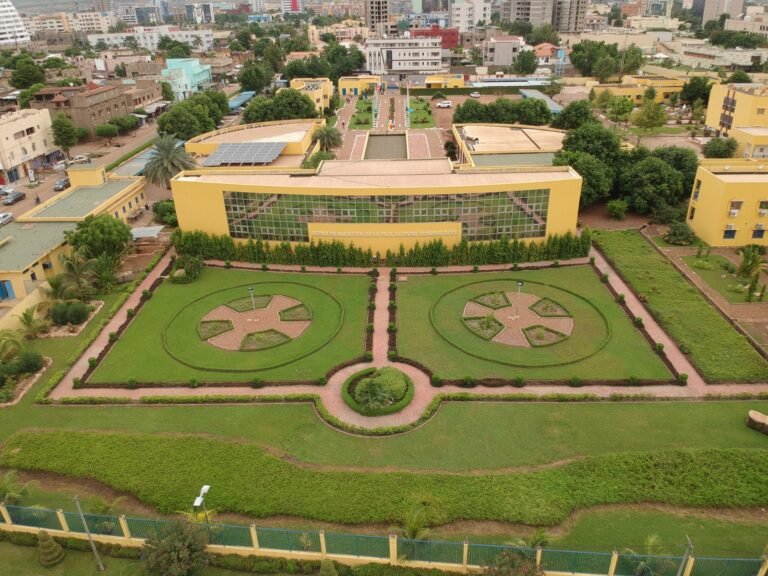
Illustration Military component Courses for officers and non-commissioned officers of the armed forces.
Illustration Civilian component Integrated courses open to civilian personnel of peace operations.
Illustration Police component Courses for police officers and gendarmes.

Teaching activities

Learning by doing

Demonstration Lectures and case studies Presentations, case studies, discussions and group work.
Demonstration Simulation exercises Scenario-based role-plays, from tactical to operational level.
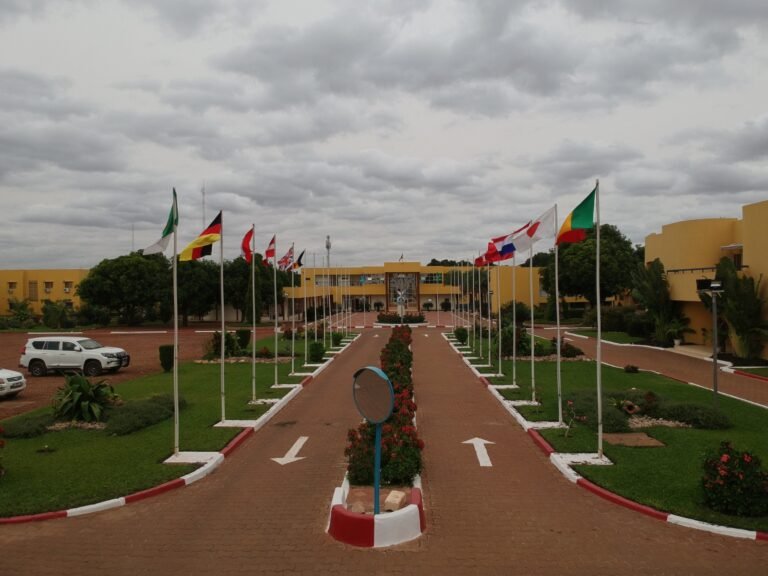
Demonstration Mobile training teams Tailored training delivered in the countries that request it.
top
WRITE TO US

Let's talk about your training project

    We help you choose the right course or Master's degree.

    An African Union Centre of Excellence, the Alioune Blondin Bèye Peacekeeping School trains civilian, military and police personnel for peace operations in Africa.

    Contact:

    Boulevard Mohamed VI, Bamako, Mali