


UNLOG · Logistics & support
Overview and background
the course is open to both men and women.
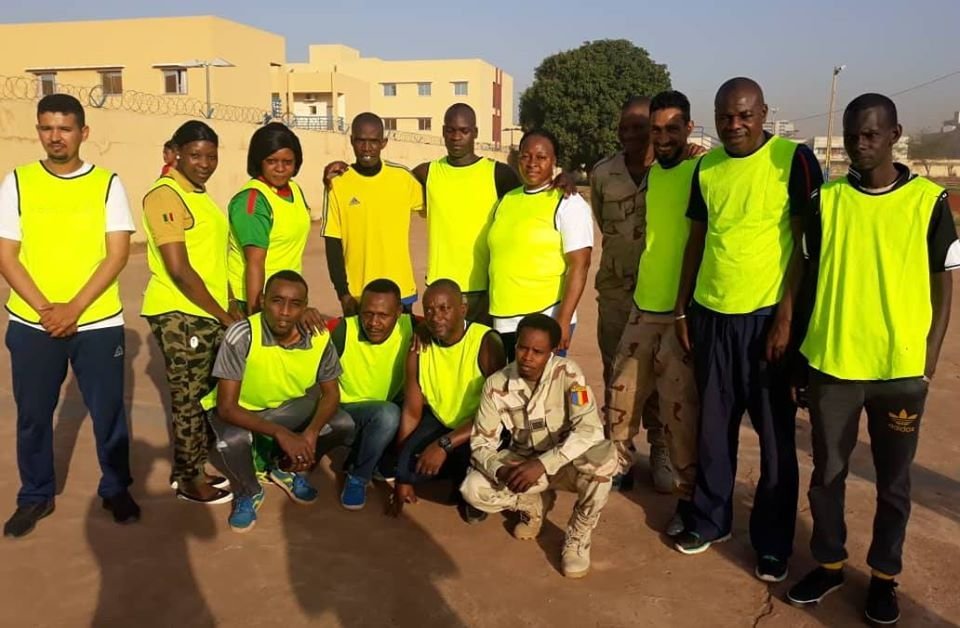
the course starts on Monday at 7:30 am: welcome address by the Director, class photo, administrative formalities.
working hours: Monday to Friday, 7:30 am to 12 noon and 2 pm to 5 pm.
a cultural visit of Bamako is organised on Saturday morning.
free time on Saturday afternoon and Sunday.
the course ends on the second Friday at 12 noon after the graduation ceremony.
Course objectives
Give the trainee the additional knowledge and skills needed to be deployed as a logistics officer in a peace support operation.
Content: modules, topics and activities
Introduction: organisation of the African Union (AU), presentation of the African Standby Force,
characteristics of Peace Support Operations (PSO), United Nations logistics.
Regulatory framework of operations: Memorandum of Understanding (MoU), Status of Forces Agreement (SOFA),
Integrated Logistics Support, Host Nation Support (HNS).
Working procedures: tactical decision-making process, logistics planning, standards, orders and reports.
Logistics functions: movement, maintenance, supply, infrastructure, personnel support, medical support, fuel support.
Classroom logistics exercise.
Visits to logistics sites: Bamako airport, railway station, container terminal, logistics warehouse.
Eligibility requirements
be medically fit to attend the entire course, including field exercises,
be a staff-college graduate officer with the rank of major or lieutenant colonel,
have sound knowledge of logistics,
have a good command of French or English,
be likely to hold a logistics post in a peace support operation in Africa.
How to register
Applications are made online, using this activity's form, between the opening date and the deadline (11:59 pm, Bamako time). An acknowledgement of receipt is sent by email.
Required documents
- the online application form, fully completed;
- a curriculum vitae (PDF or Word);
- the number of the Moodle certificate “Introduction to the Core Knowledge of Peace Operations”, when the form asks for it.